Playoff Race Intensifies Across the NHL
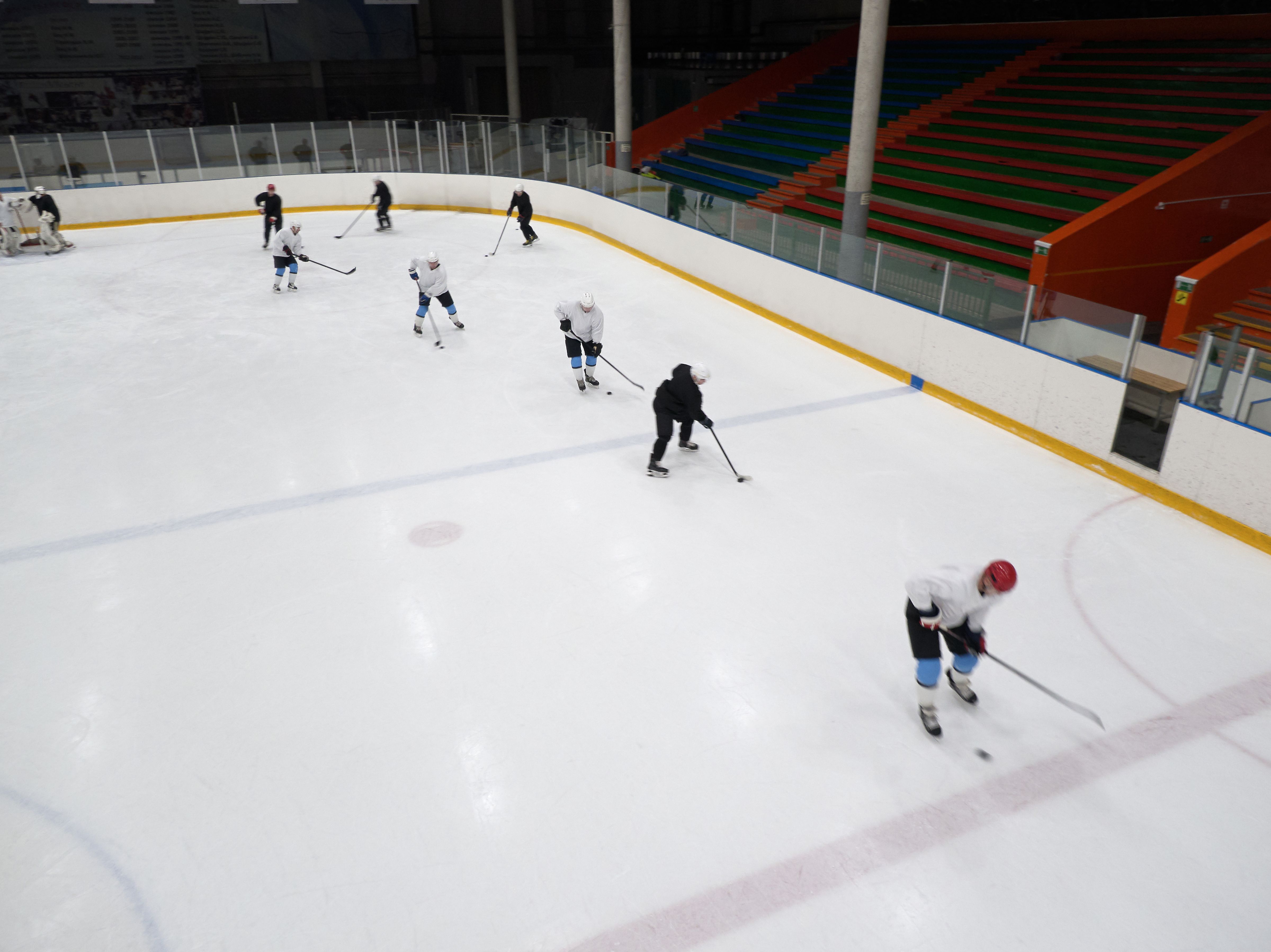
With fewer than two weeks remaining in the regular season, the battle for the final Wild Card spots in both the Eastern and Western Conferences has reached a fever pitch. Eight teams are currently separated by just five points, making every single game — every shift, every faceoff, every power play — an absolute must-win scenario. The energy inside arenas across the league has been electric, with sellout crowds showing up night after night to witness hockey of the highest intensity.
In the Eastern Conference, the Metropolitan Division remains a tightly packed log jam. Three teams are within two points of each other fighting for the second Wild Card berth, and none of them can afford a regulation loss. The Atlantic Division's bottom half tells a similar story, with a veteran club holding a one-point edge over a younger, speedy squad that has quietly won seven of its last ten games.
Out West, the Pacific Division is equally chaotic. A team that sat five points out of a playoff spot just three weeks ago has clawed back into contention on the strength of a six-game winning streak anchored by dominant goaltending and a power play operating at a blistering 31% efficiency rate. The Central Division's Wild Card race is being shaped by a brutal back-to-back heavy schedule that has exposed roster depth issues across the board.
From a tactical standpoint, coaches have leaned into defensive structure over open-ice gambling, prioritizing shot-blocking and neutral-zone trapping to limit odd-man rushes. The Corsi For percentages and Expected Goals metrics at 5-on-5 tell the story: the teams surging into the playoffs are the ones dominating possession in the offensive zone and limiting high-danger scoring chances against. Expect the final week of the regular season to produce some of the most memorable nights in recent NHL history.
Trade Rumors Continue to Heat Up
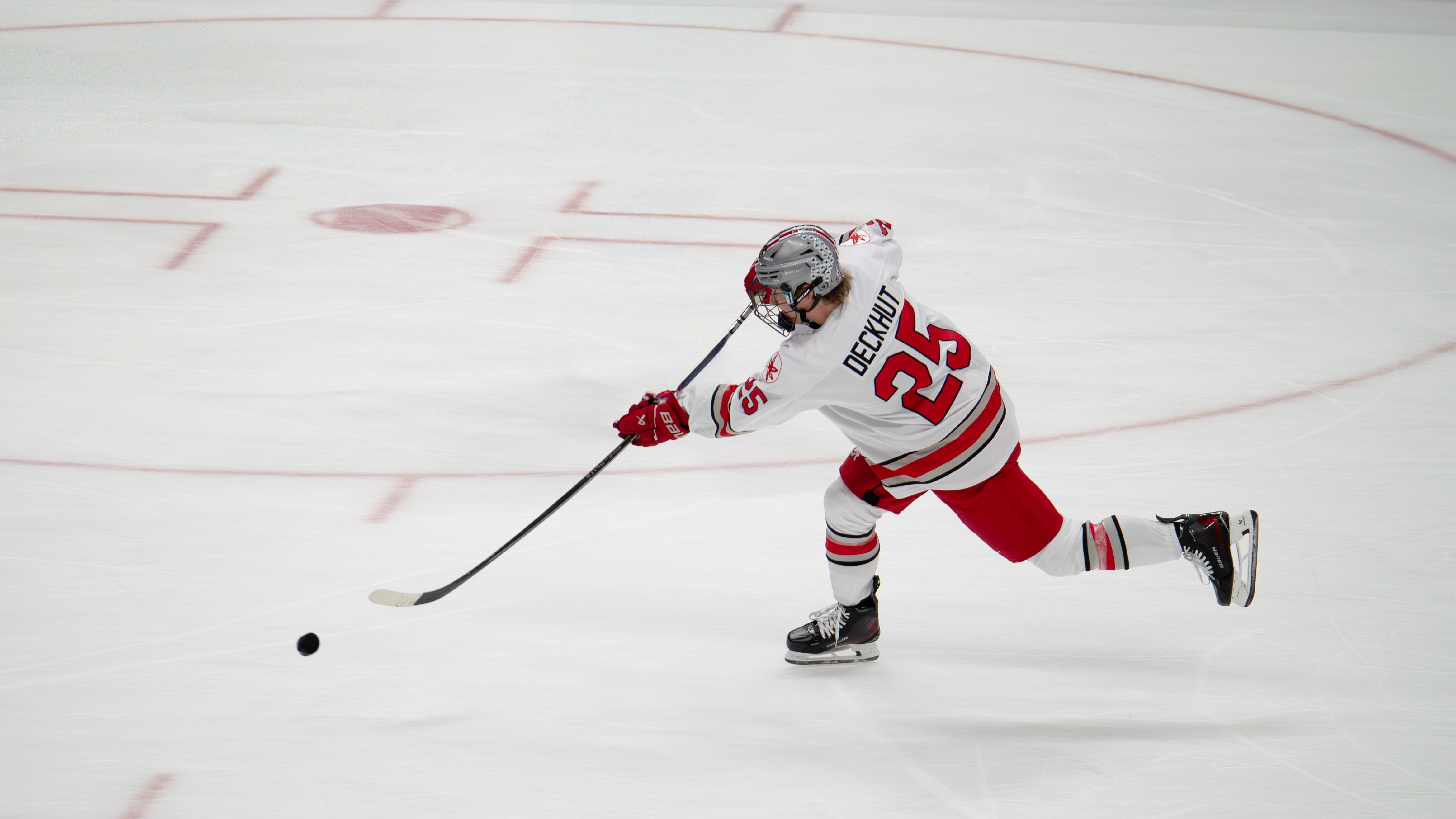
Several NHL contenders are working the phones aggressively ahead of the postseason, with general managers exploring a variety of roster-strengthening moves. While the formal trade deadline has passed, teams can still claim waived players and negotiate buyout-related transactions. Insiders report that at least four playoff-bound franchises have expressed serious interest in bolstering their blue line depth and upgrading their fourth-line energy options before the first puck drops in Round One.
1. The Shutdown Defenseman Shuffle
A veteran right-shot defenseman with a reputation for stifling opposing top lines is drawing attention from at least three contenders. His analytics profile — ranking in the 90th percentile for shot attempts suppressed — makes him a coveted piece in the playoffs.
His ability to neutralize elite centers through positional play, gap control, and intelligent stick placement makes him exactly the type of player contenders covet in the postseason. Teams in serious Stanley Cup contention are reportedly prepared to include a conditional second-round pick and a prospect in any deal, reflecting just how valued his specific skill set is when playoff hockey slows down and defensive zone coverage becomes paramount.
2. Rental Forward for a Cup Contender
An expiring-contract power forward with 22 goals this season is available from a rebuilding Eastern Conference club. His net-front presence on the power play and physicality in board battles have multiple GM's intrigued.
This player's willingness to play a role he's been asked to fill — battling along the boards, screening goalies, and absorbing punishment in front of the net — gives him universal appeal across different systems. Multiple Western Conference contenders are believed to be in active discussions, with the acquiring team expected to retain a portion of his remaining cap hit to make the numbers work under the flat cap environment.
3. Backup Goalie Market Heats Up
With playoff injuries a certainty, two contenders are quietly seeking insurance for their starting goaltenders. A .915 SV% backup recently placed on waivers is drawing serious league-wide interest.
Playoff history is littered with examples of backup goaltenders stealing series and carrying their team to the Stanley Cup Final. The teams exploring this avenue are not panicking about their starters — they are simply stress-testing their depth. In a compressed playoff schedule with back-to-back games, having a reliable number two capable of stealing a game is more valuable than any fourth-line forward a team could acquire.
The modern NHL transaction landscape is uniquely shaped by the flat salary cap, which has stayed frozen since the pandemic, forcing teams to make incredibly precise decisions about roster construction. General managers who can find playoff-caliber talent on low cap hits through the waiver wire or in minor trade packages will gain a significant competitive edge heading into the most important games of the year.
Top Goalies Carry Their Teams Forward
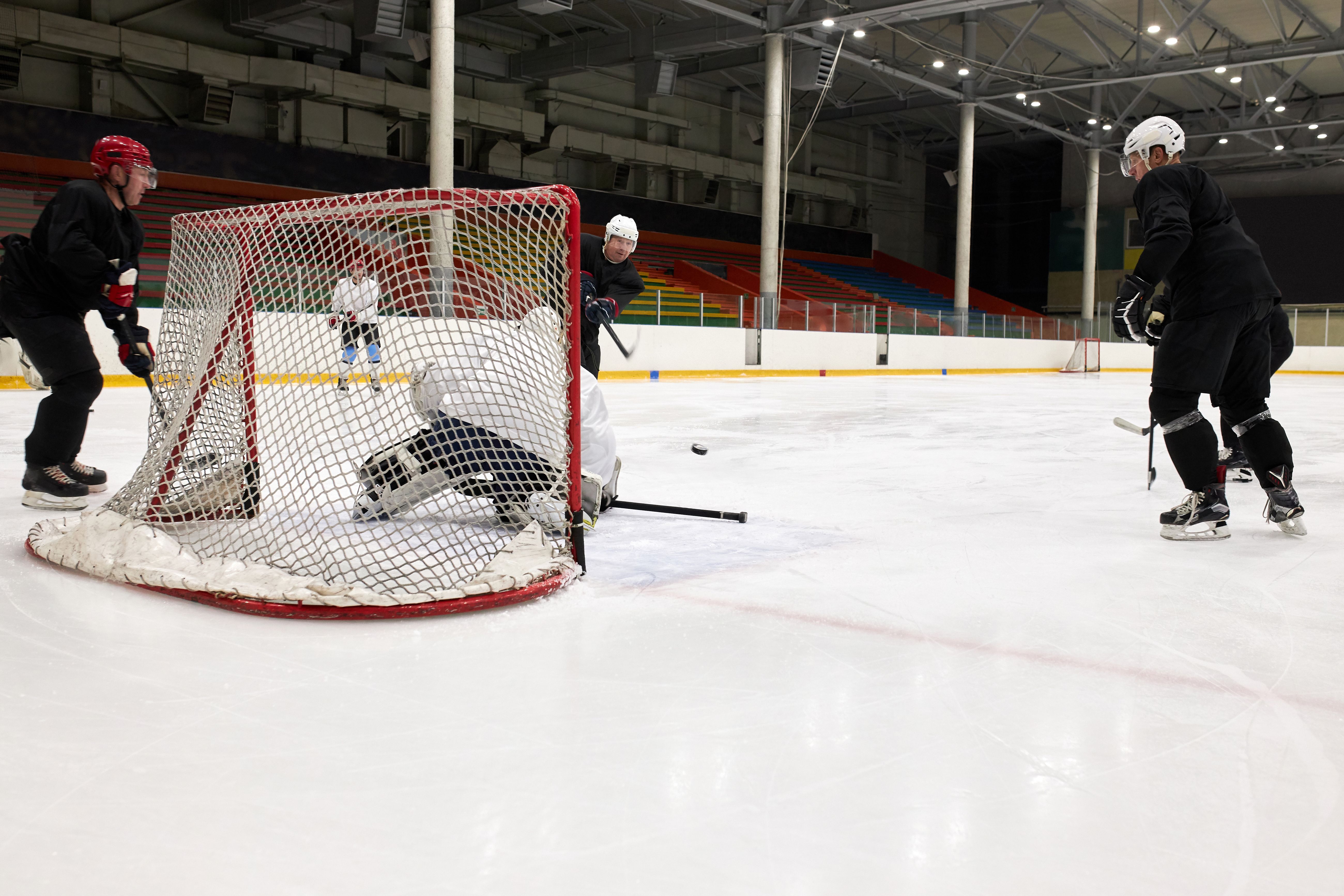
If there is one undeniable truth in the 2025-26 NHL season, it is this: elite goaltending wins hockey games, and the teams at the top of both conferences have each benefited enormously from transcendent performances between the pipes. Several netminders have delivered stretches of play that will be remembered as some of the finest individual goaltending runs in recent memory, carrying rosters that might otherwise have been middle-of-the-pack straight into prime playoff position.
| Goaltender | GAA | SV% | SO | GSAx | Record |
|---|---|---|---|---|---|
| Connor Hellebuyck (WPG) | 2.01 | .930 | 7 | +18.4 | 38-16-4 |
| Juuse Saros (NSH) | 2.18 | .926 | 5 | +14.9 | 34-20-6 |
| Ilya Sorokin (NYI) | 2.24 | .924 | 6 | +13.1 | 33-22-5 |
| Jeremy Swayman (BOS) | 2.31 | .921 | 4 | +11.7 | 35-18-4 |
Connor Hellebuyck has been nothing short of extraordinary this season, continuing to make his case as the most dominant goaltender of his generation. His Goals Saved Above Expected (GSAx) figure of +18.4 leads the entire league and represents the largest single-season total recorded in the advanced tracking era. Hellebuyck's ability to control his crease, read shooting lanes in real time, and reset his positioning between shots has left opposing forwards bewildered. Winnipeg has ridden his brilliance to what could be their best regular-season record in franchise history.
Juuse Saros and Ilya Sorokin have provided elite goaltending for franchises that were not expected to be in strong playoff contention this season. Both netminders have consistently posted back-to-back strong performances without showing signs of statistical fatigue, a remarkable achievement in a season that featured a condensed schedule. Their advanced save percentage on high-danger chances — the most reliable predictor of playoff goaltending success — both rank in the top five across the entire league.
Heading into the postseason, the conventional wisdom has never been more accurate: the team whose goalie gets hot and stays hot in April, May, and June will be raising the Stanley Cup. Every contender knows this, which is why the health and form of these elite netminders will be scrutinized more closely than any other position group as the calendar flips to playoff hockey.
Rookie Stars Continue to Impress

The 2025-26 NHL rookie class has been one of the most impactful groups of first-year players in recent memory, with several prospects defying expectations and immediately contributing at an elite level. Unlike previous seasons where one high-profile prospect dominated the Calder Trophy conversation, this year's race features multiple credible candidates, each bringing a distinctly different skill set that has made an immediate mark on the league.
The Offensive Engine
Averaging 0.92 points-per-game with elite zone-entry mechanics and an NHL-ready shot release. His ability to generate scoring chances from the perimeter through quick-release wrist shots has made him a consistent offensive threat. Opponents have begun deploying defensive-zone coverage specifically designed to limit his zone entries, which speaks to the respect he has earned league-wide in just his first season.
The Two-Way Center
Leading all rookies with a +24 plus/minus rating. His defensive-zone faceoff win rate of 58% has been invaluable to his team's penalty kill. Deployed against the opponent's best lines on a nightly basis, his ability to win the puck back in his own zone and immediately transition to offense makes him one of the most complete first-year players scouts have seen in years.
The Power Play QB
A rookie defenseman orchestrating the league's third-most-efficient power play unit. His one-timer from the left dot has registered 14 power play points. His ability to read penalty kill structures and adjust his one-touch passing in real time has elevated the entire power play unit, creating lane opportunities for his forwards through deceptive shot fakes and cross-seam feeds.
Veteran coaches around the NHL have commented on the professional approach this rookie class has taken to studying film, managing their physical conditioning across the grueling 82-game schedule, and executing tactical adjustments mid-game without being told. Several of this season's top rookies participated in elite development programs in the Swedish Hockey League and the AHL prior to making their NHL debuts, giving them a competitive polish rarely seen from first-year players.
The Calder Trophy vote is expected to be one of the tightest in the award's modern history. The winner will likely be determined by the stretch-run performances these rookies produce in high-leverage, playoff-push situations. Teams that leaned on their rookies during the final ten games of the regular season will have given voters the most compelling late-season evidence to finalize their ballots.
Updated NHL Power Rankings

Recent winning streaks have dramatically reshuffled the league's top contenders as the playoffs draw near. Our weekly power rankings blend traditional standings with possession metrics, goaltending performance, power play efficiency, and schedule strength to provide the most comprehensive team evaluation in the sport. Here is how the league landscape looks heading into the final week of the regular season.
The Florida Panthers have surged to the top of our rankings on the strength of the league's best home record (26-4-1) and a defensive structure that has allowed fewer high-danger chances against than any other team over the past month. Their experience from consecutive deep playoff runs has given this roster a calm, composed identity that surfaces most visibly in the third period of close games, where they lead the league in regulation wins by one goal.
Perhaps the most interesting movement in this week's rankings is Winnipeg's rise to third. Hellebuyck's excellence has masked some defensive zone coverage issues at even strength, but the Jets have tightened those tendencies over the past two weeks under a new defensive deployment scheme that prioritizes shot suppression over aggressive forechecking pressure. If they enter the playoffs with this version of their game, they will be a very difficult first-round opponent.
Stanley Cup Odds Shift After Key Wins
Championship futures markets have moved significantly over the past two weeks following a string of statement victories by several leading Stanley Cup contenders. Sportsbooks have been forced to adjust their lines in response to dramatic shifts in public betting handle and sharp money movement, particularly on two teams that have emerged from the middle of the pack to challenge the pre-season favorites. Here is a breakdown of the current odds landscape and the analytical context behind the market movements.
| Team | Current Odds | 2 Weeks Ago | Movement |
|---|---|---|---|
| Florida Panthers | +320 | +480 | ↑ Shortened |
| Boston Bruins | +380 | +400 | Stable |
| Colorado Avalanche | +450 | +350 | ↓ Lengthened |
| Winnipeg Jets | +500 | +700 | ↑ Shortened |
| Dallas Stars | +600 | +550 | ↓ Lengthened |
| Vegas Golden Knights | +700 | +650 | ↓ Lengthened |
Betting Angle: Panthers Value at +320
The Panthers have shortened considerably from their pre-season number, but at +320, they still represent value relative to their underlying metrics. Florida leads the league in Goal Differential at 5-on-5 over the past 30 games, and their playoff experience — appearing in back-to-back Stanley Cup Finals — gives them an institutional knowledge advantage that is impossible to quantify but very real in its impact. For bettors with a futures ticket on the Panthers, holding through the first round makes sense.
Sleeper Pick: Winnipeg Jets at +500
The Jets offer the most intriguing value in the entire championship futures market. Hellebuyck's historic save rate, a top-five power play, and a physical forecheck that tends to wear opponents down in a seven-game series makes Winnipeg a legitimate dark horse. Their odds have already shortened from +700, but at +500, they remain undervalued by the market relative to their true winning probability, which our models project at approximately 14%.
All odds listed are for informational and entertainment purposes only. Please gamble responsibly and within your means. If you or someone you know has a gambling problem, call the National Problem Gambling Helpline at 1-800-522-4700.